The Eighteenth-Century Hall
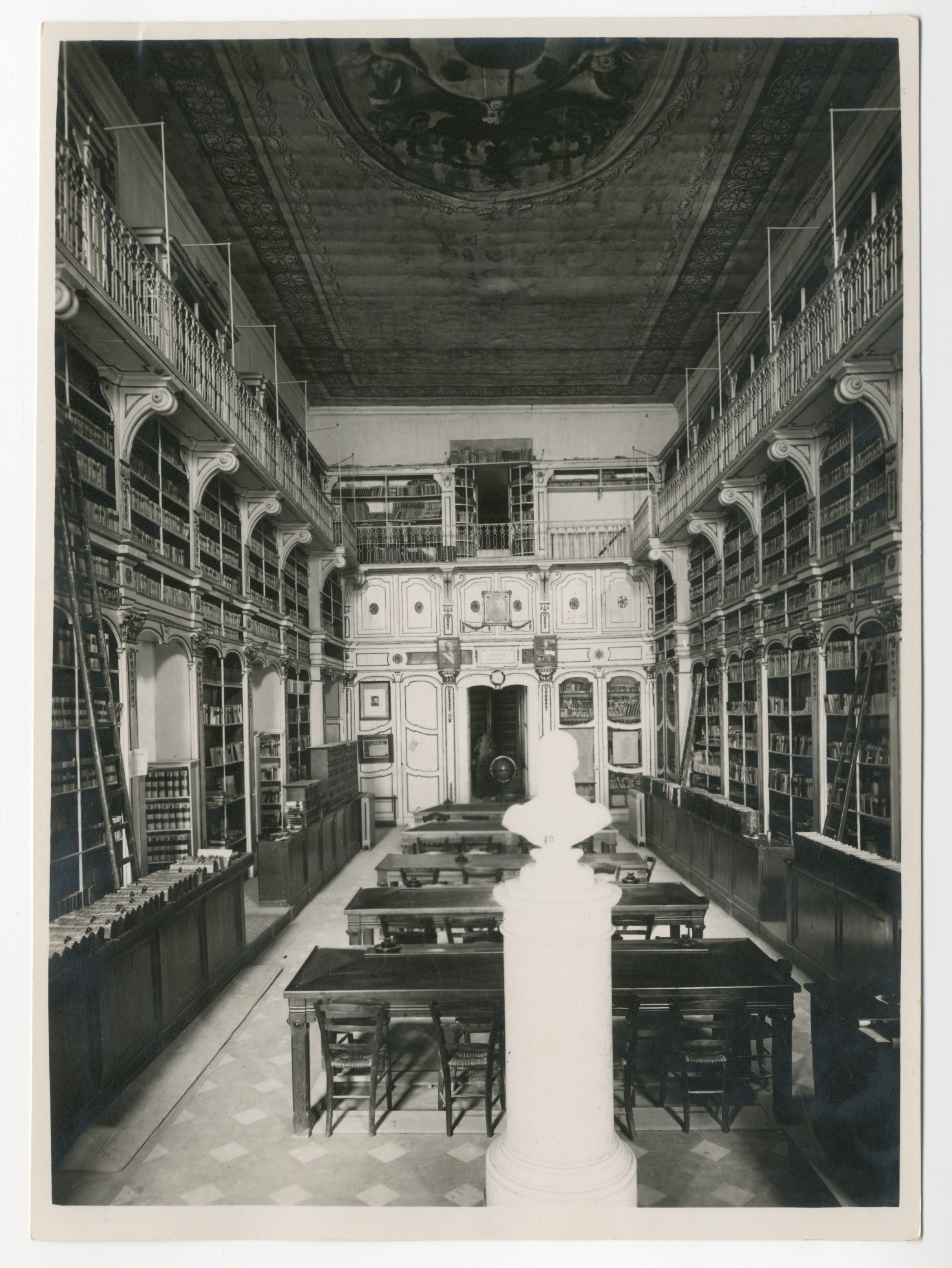
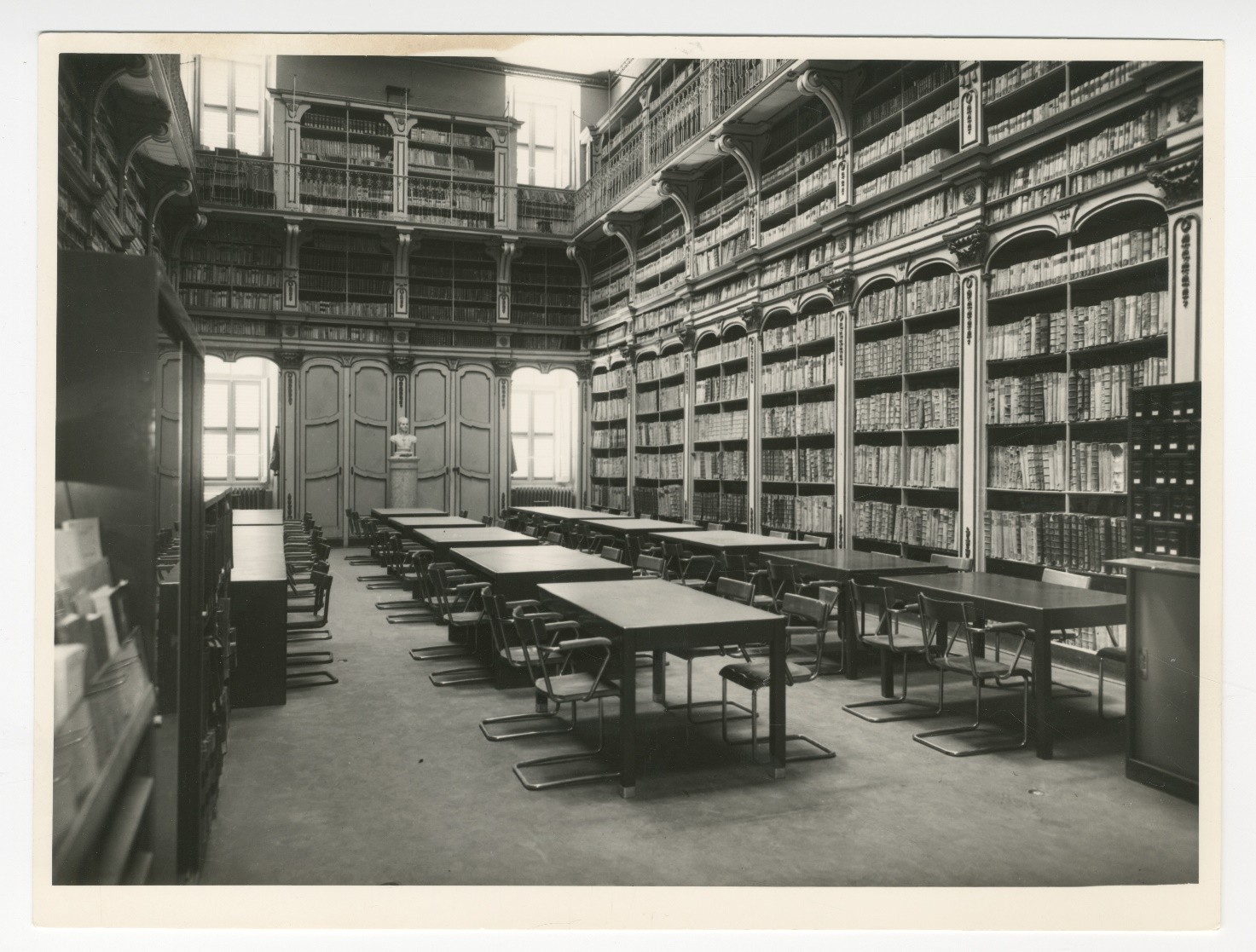
The 18th-Century Hall, originally called the Grand Hall, was designed by the Piedmontese military architect Giacinto Marciotti. About twenty meters long, eight meters wide, and seven and a half meters high, it features large windows overlooking the port. The double set of ivory-lacquered bookshelves with golden friezes occupies the entire right and left walls of the room, while a balcony, accessible by a steep staircase hidden behind a small door to the right of the entrance, extends around all four sides of the hall. The bookshelves were made by the Cagliari craftsman Angelo Cardu, initially painted dark red and later repainted in a color similar to the current one, which gave the room more brightness. The ceiling originally had a false ceiling decorated with the arms of the Savoy dynasty. The original floor was made of slate.
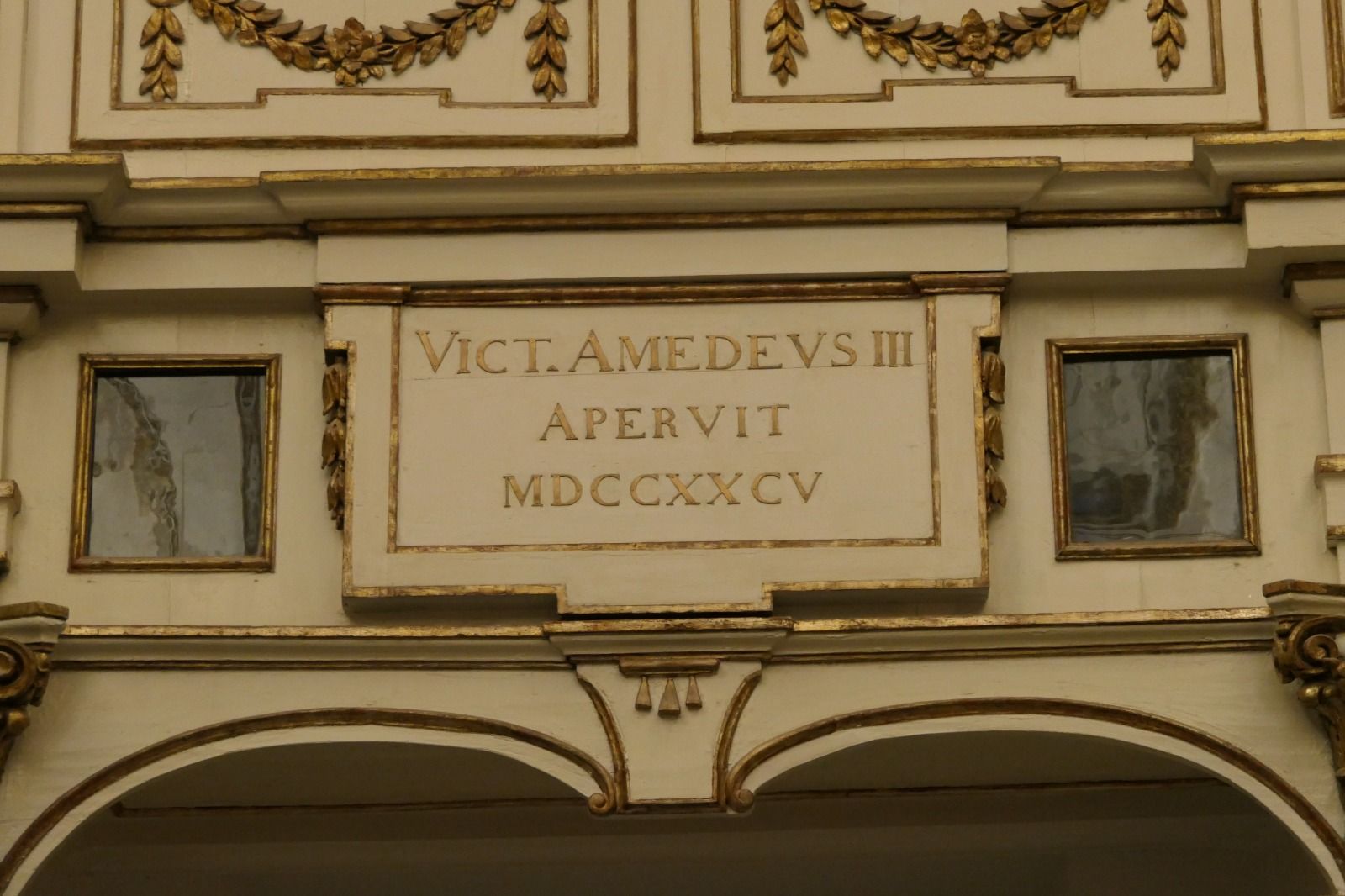
The hall, which had its first regulation in 1785 under Vittorio Amedeo III (as noted on the plaque above the entrance), was opened to the public in 1792. It was both a place for preserving books and a reading room.
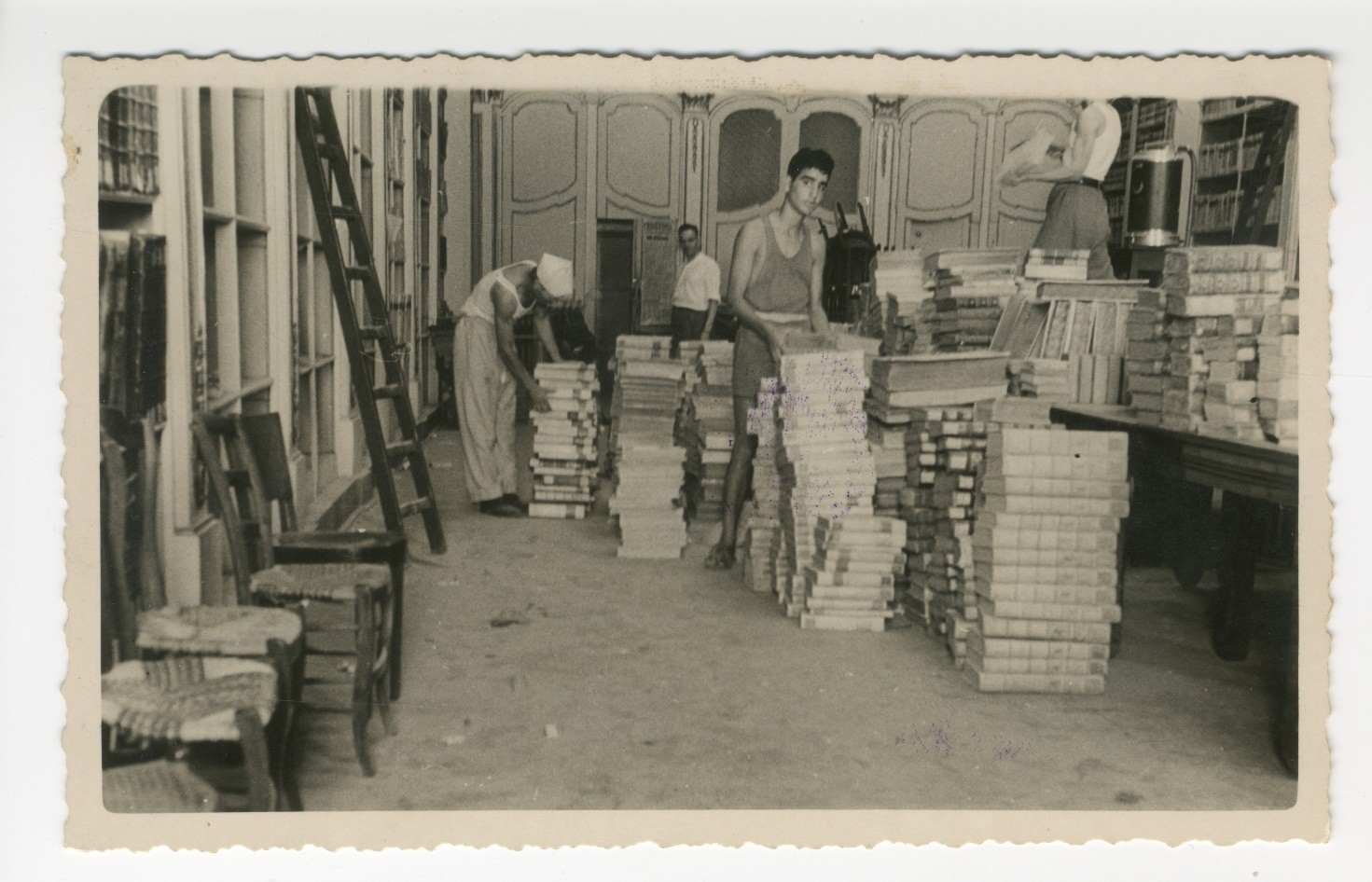
Over the years, modifications were made: the original false ceiling was replaced with skylights; later, a decorative floral-patterned canvas was added to the wooden structure, and finally, more recently, a golden-decorated false ceiling was introduced, from which large Murano glass chandeliers hung. Over time, the old slate floor was replaced with one made of black marble squares interspersed with white tiles, which was later dismantled and covered with carpet.
At the end of the 1990s, a restoration project returned the room to its former splendor: the skylights and marble floor were restored. The hall was reopened to the public in 1999-2000 and has since become a venue for various cultural events.
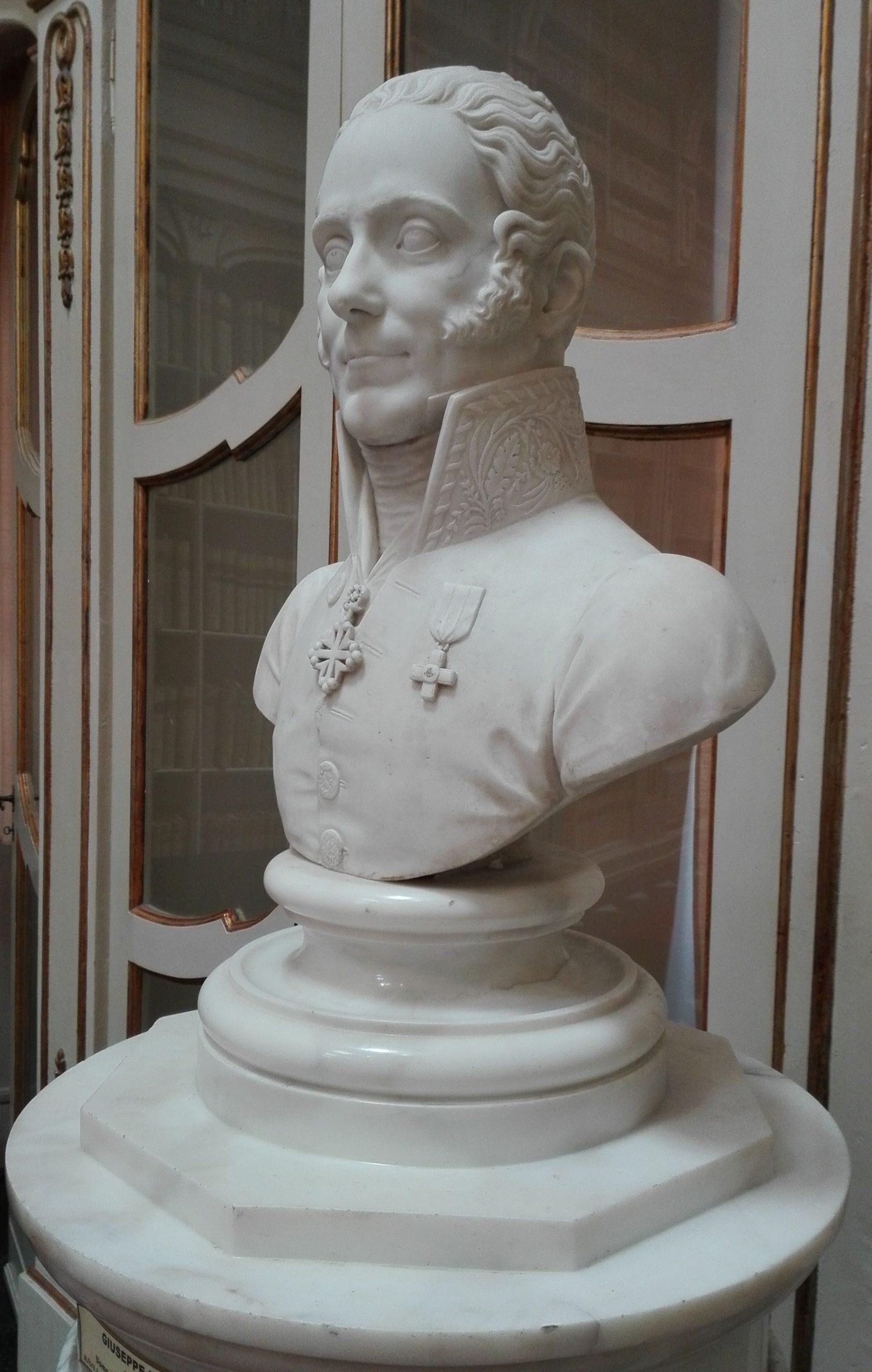
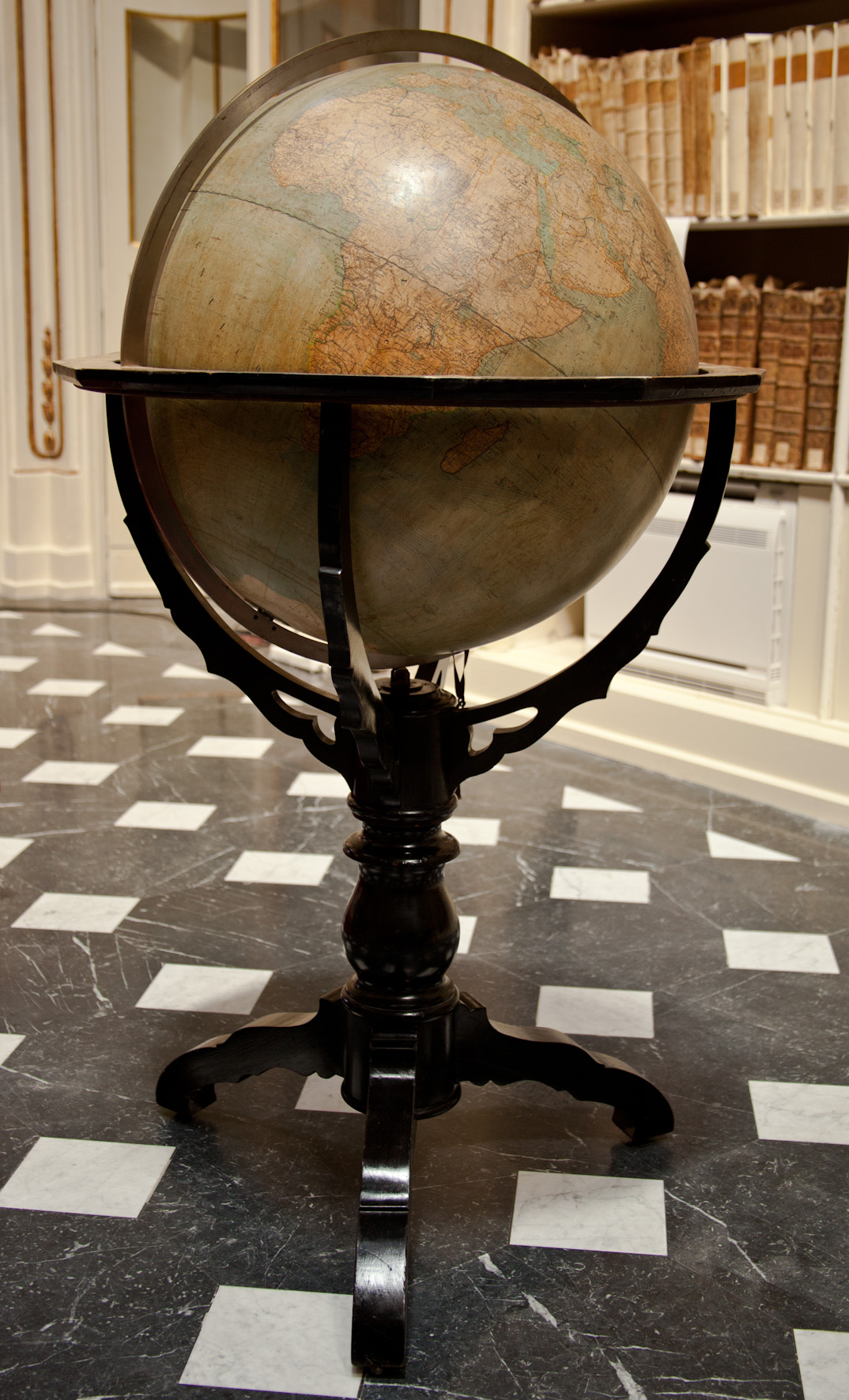
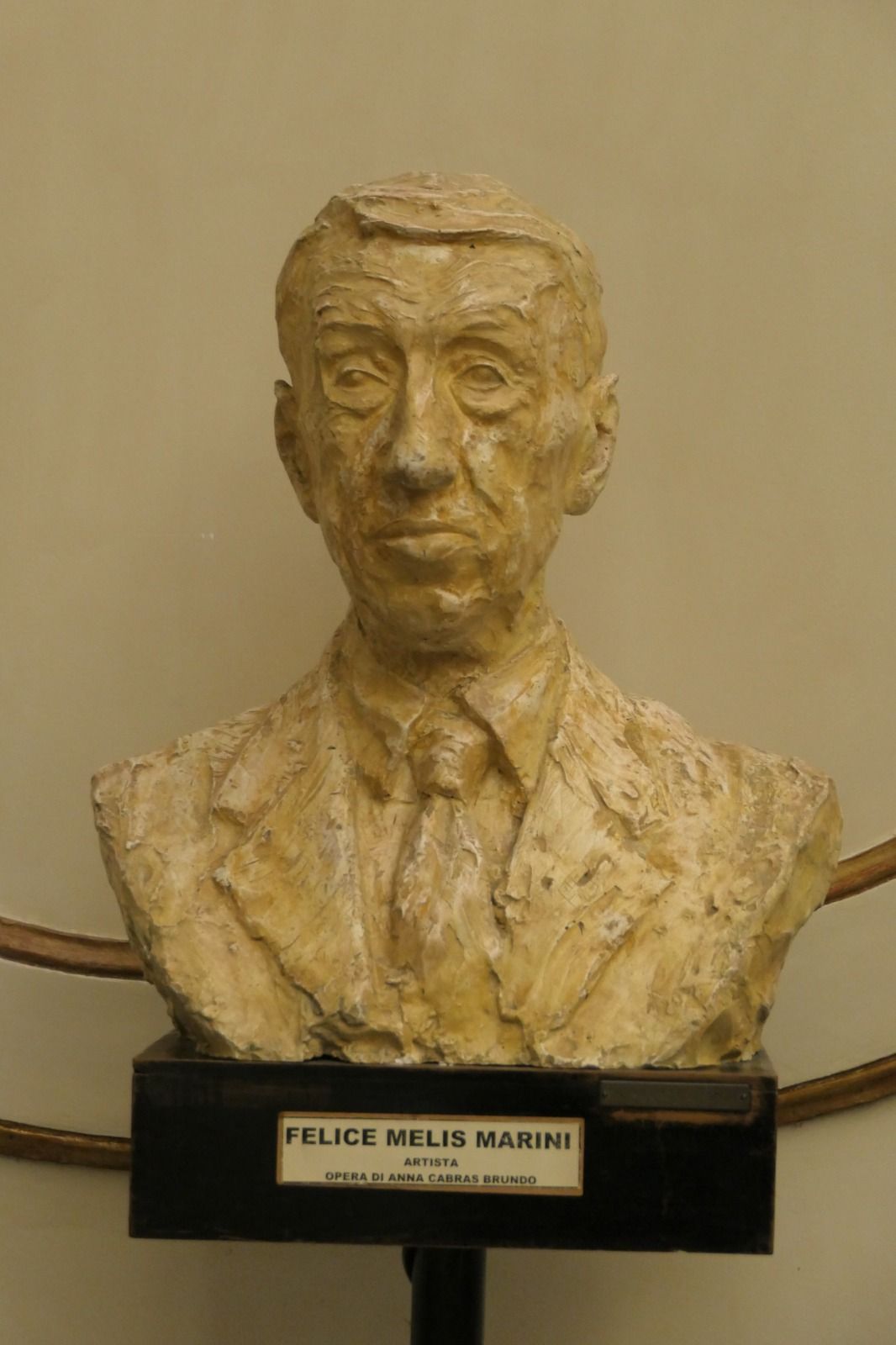
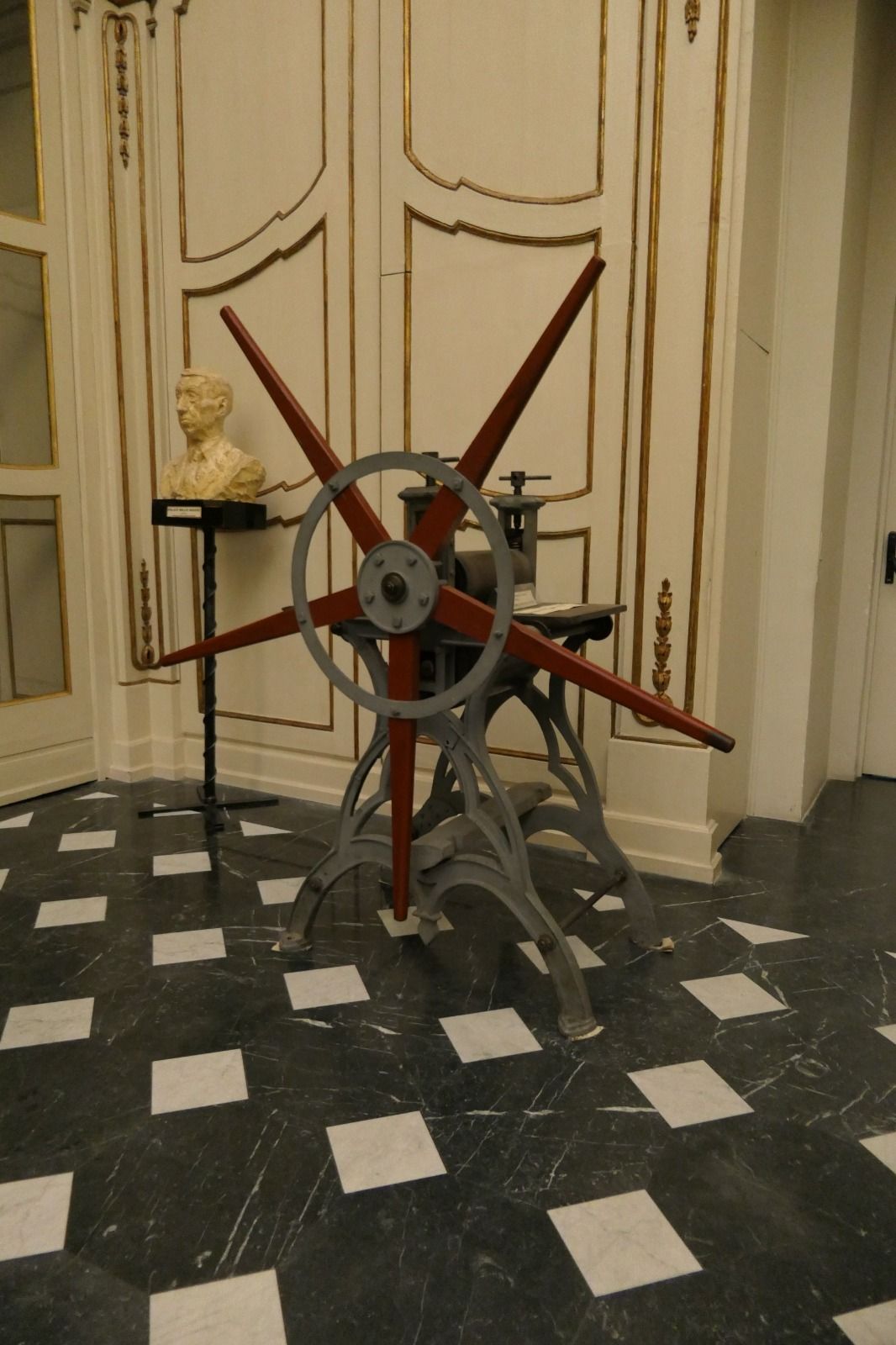
The room houses some sculptures: in front of the windows, there is an 18th-century bust of the historian Giuseppe Manno, made by the sculptor from Alghero, Moccia; to the right of the entrance, a bust of the painter and engraver Felice Melis Marini, created in the 20th century by Anna Cabras Brundo. The room is also enriched by a late 19th-century globe by the Turin geographer Cora and a printing press for engravings that belonged to the Cagliari artist Anna Marongiu Pernis, who tragically passed away at a young age in 1941.
Currently, the room houses 11,800 volumes, mainly printed editions from the 17th and 18th centuries, along with a smaller number of books printed between 1801 and 1830, which came from the confiscated property of religious congregations suppressed in the 19th century. The books cover topics such as theology, philosophy, law, as well as scientific subjects, history, geography, and literature. Most of the texts are in Latin and Spanish, with a smaller number in Italian and, for scientific works, in French.