The Manuscripts Collection, which contains more than 7,000 items, is the result of the layering of different collections whose origins can be traced back to bequests, donations and purchases made over the centuries, not least the incorporation of documentary material from numerous Sardinian convent libraries following the suppression of religious orders.
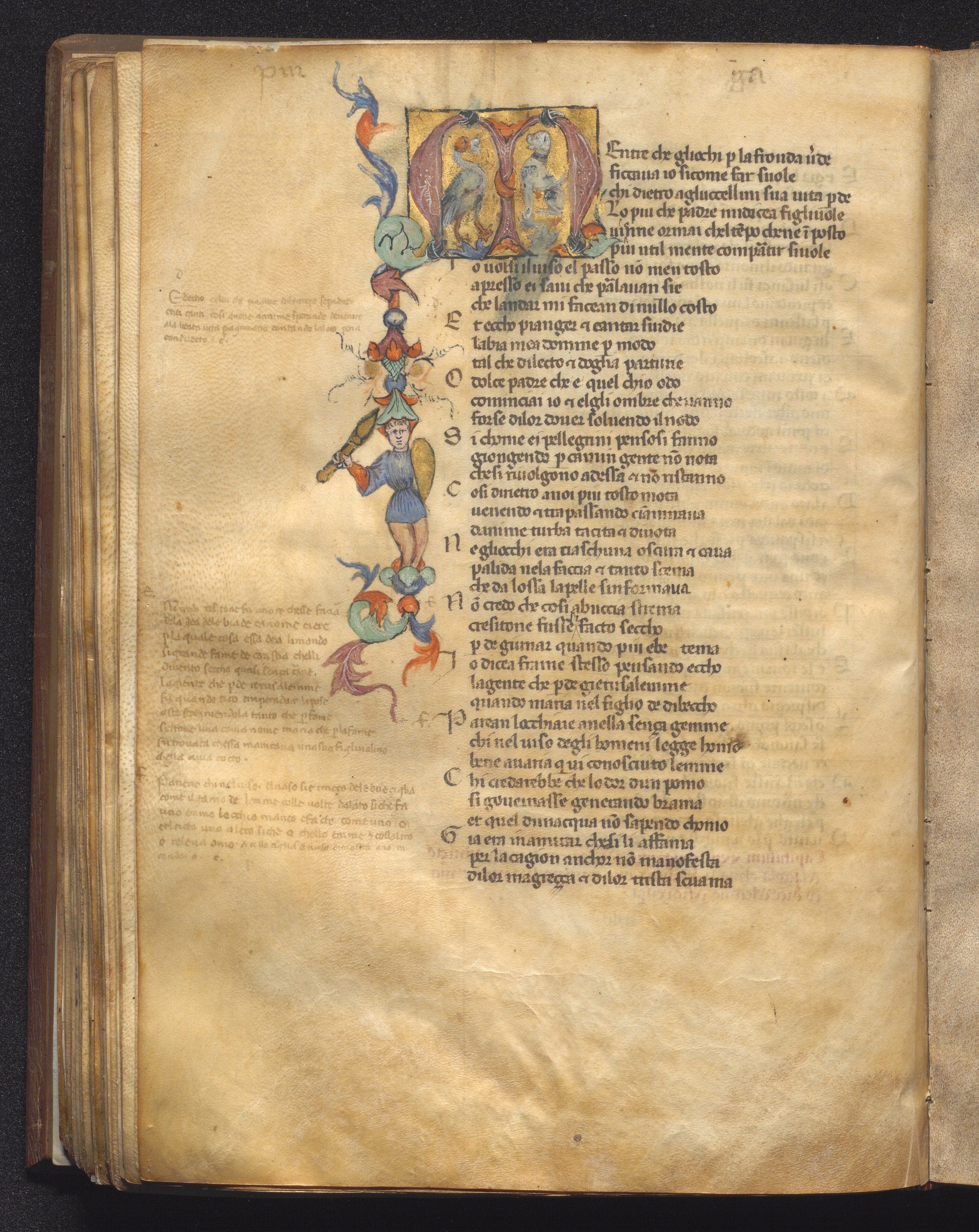
A parchment codex of the Divine Comedy, dating from between the second half of the 14th century and the early 15th century, comes from the library of the Jesuit convent of Santa Croce in Cagliari, which was suppressed in 1773. It is one of approximately 800 manuscript copies of the Comedy. The copy, probably the work of a copyist from the Arezzo-Cortona area, although incomplete, is embellished with numerous miniatures.
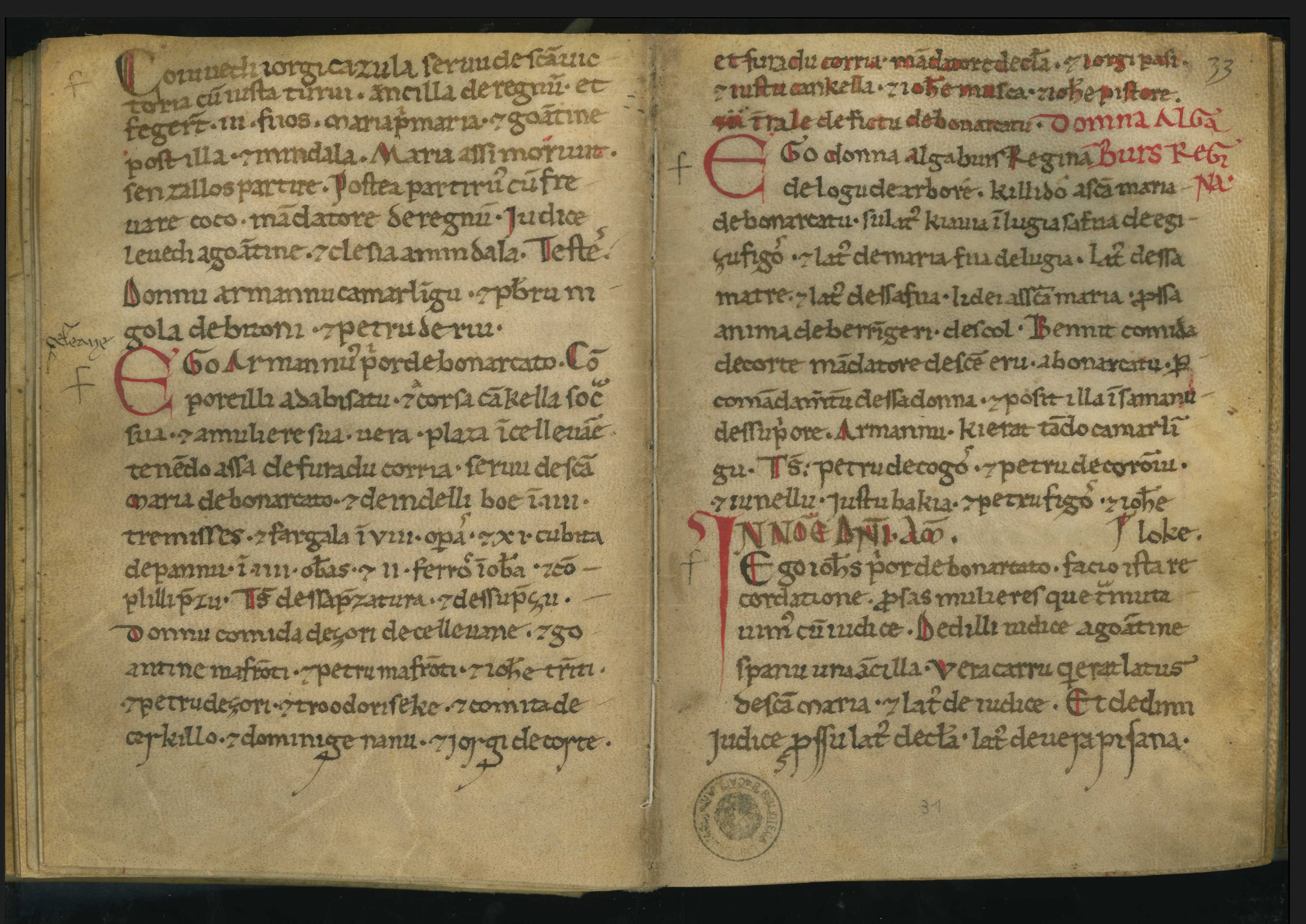
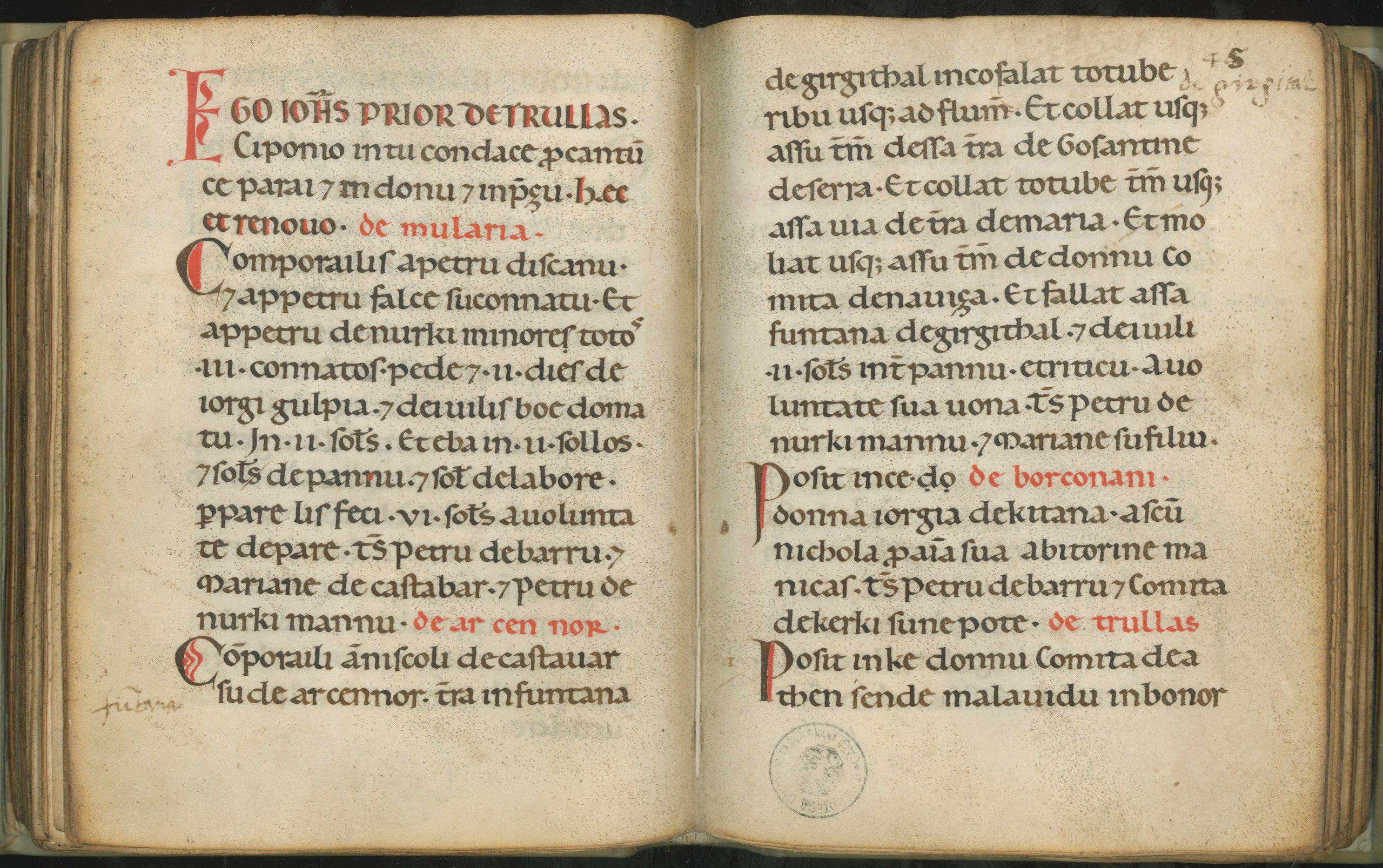
The two oldest manuscripts (12th-13th century), both on parchment, were purchased in 1936 by the then director Bianca Bruno: the ‘Condaghe di Santa Maria di Bonarcado’ (Ms. 277) and the “Condaghe di San Nicola di Trullas” (Ms. 278), property registers compiled by abbots or priors of monasteries, which are of paramount importance for the study of the Sardinian language and for reconstructing the economic, political and social life of medieval Sardinia.
Also noteworthy are the numerous documentary collections (the Baille, Orrù, Cossu, Canelles, and Laconi manuscripts), which are of great interest for the history of Sardinia.
The Library also has a modest collection of autographs belonging to famous figures in various fields: Vincenzo Monti, Ugo Foscolo, Alessandro Manzoni, Maria Teresa of Savoy, Queen of Sardinia, Vittorio Emanuele II, Giuseppe Mazzini, Giuseppe Garibaldi, Vincenzo Gioberti, Grazia Deledda… Some of this documentary material was donated to the Library, while other pieces were purchased from antique dealers.
The Library also has a modest collection of autographs belonging to famous figures in various fields: Vincenzo Monti, The largest part of the collection is represented by the ‘Carteggio Spano’, the extensive correspondence between Canon Giovanni Spano and numerous scholars and representatives of Italian and foreign culture.
Ms.0277^-^^Camaldolesi ... 'Bonarcado'^Condaghe di S. Maria di Bonarcado.^036 - E' un prezioso manoscritto del XII-XIII secolo, fonte fondamentale per la storia del Giudicato di Arborea. Acquistato nel 1936, attesta la lingua sarda medie. Curiosità: nella sua carta numero 33, nella quarta riga in rosso, appare la lettera "B" utilizzata nel logo istituzionale della biblioteca.
Ms.0278^00122585^^-^Condaghe di San Nicola di Trullas^047 - E' un registro che contiene atti di compravendite e di amministrazione dei beni del monastero di San Nicola di Trullas. E' un manoscritto membranaceo in fascicoli legati scritti dal 1101 al 1300. Nel 1936 la Biblioteca Universitaria acquistò l'opera dal barone Matteo Giulio Guillot Simon.
Ms.076_Codice_dantesco__Carta_87vMs.076 - Si tratta di un raro codice manoscritto della Divina Commedia di Dante Alighieri, l'opera, in pergamena, è arricchita da miniature. Databile tra il XIV e il XV secolo è uno degli oltre ottocento manoscritti danteschi esistenti al mondo
Ms.076_Codice_dantesco_Carta_47r - Codice Dantesco. Si tratta di un raro codice manoscritto della Divina Commedia di Dante Alighieri, l'opera, in pergamena, è arricchita da miniature. Databile tra il XIV e il XV secolo è uno degli oltre ottocento manoscritti danteschi esistenti al mondo.
-
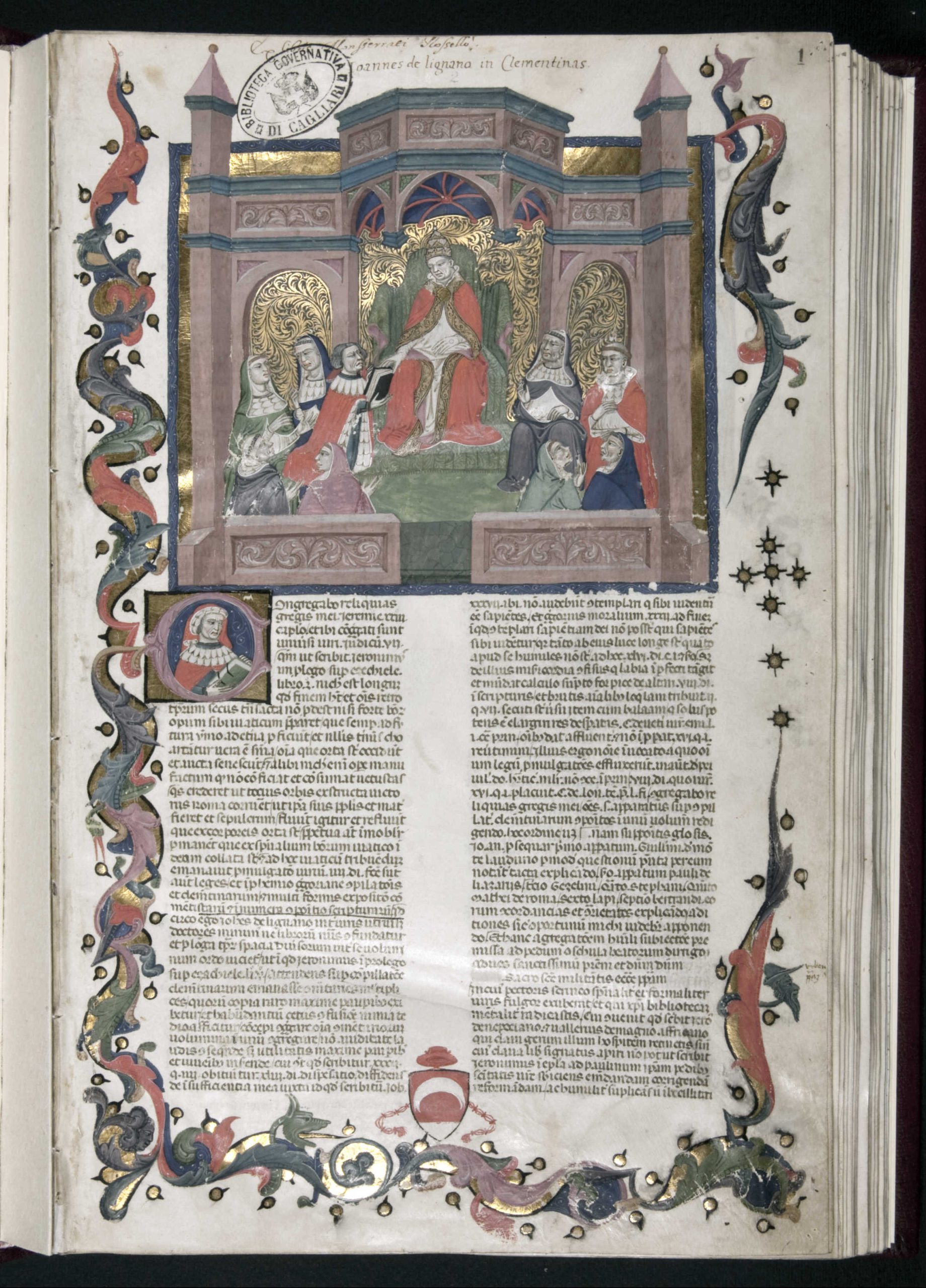
Ms.0002-1^-^^Giovanni . da Legnano^Commentaria in Clementinas.^003 c.001r_1 - Codice miniato datato seconda metà del XIV: contiene il commento del celebre canonista dell’Università di Bologna Giovanni da Legnano (1320 ca.-1383) alla raccolta di decreti emanati da Clemente V (1264-1314), le cosiddette “Clementine”, che costituivano una parte del Corpus iuris canonici.
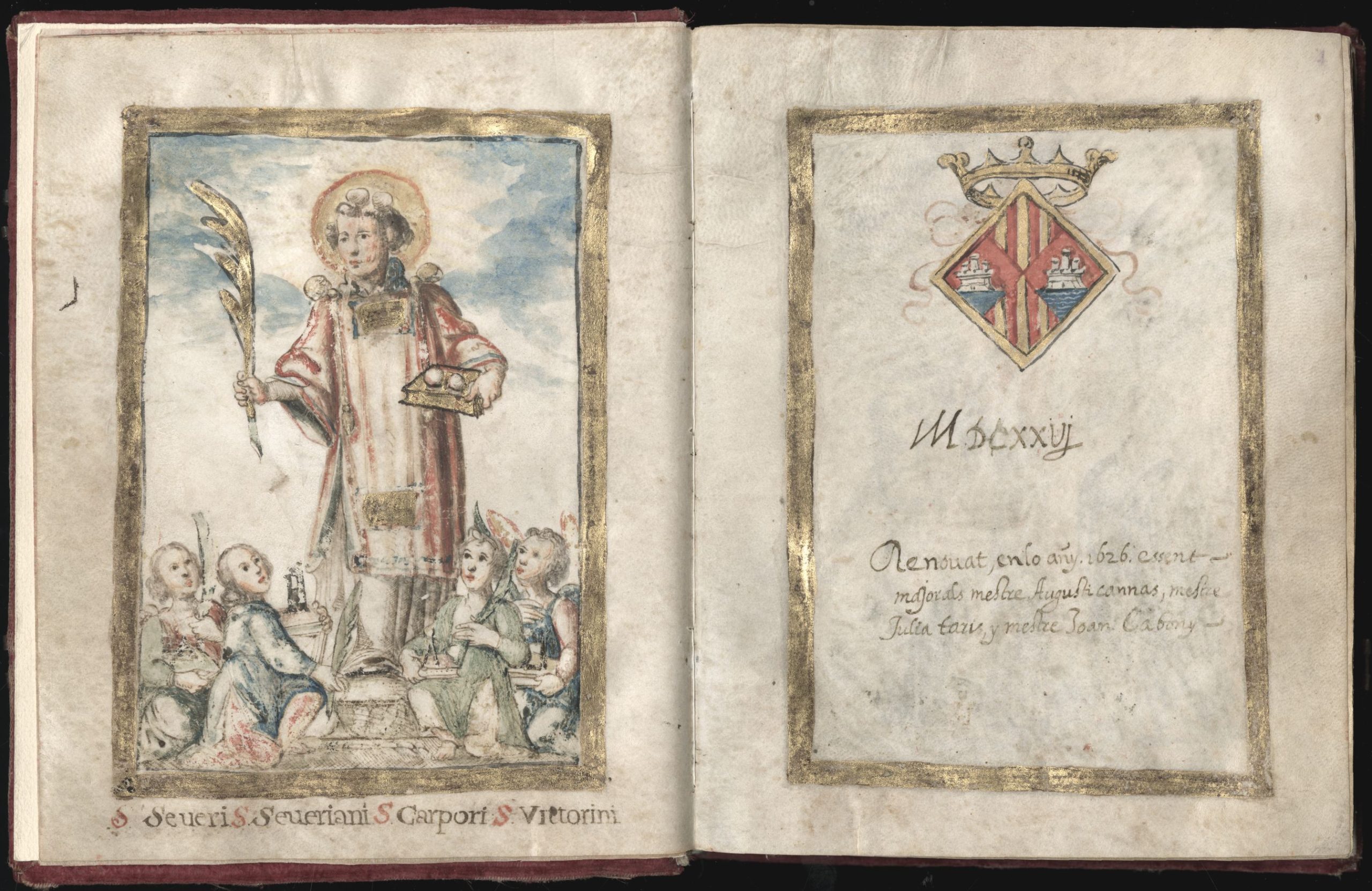
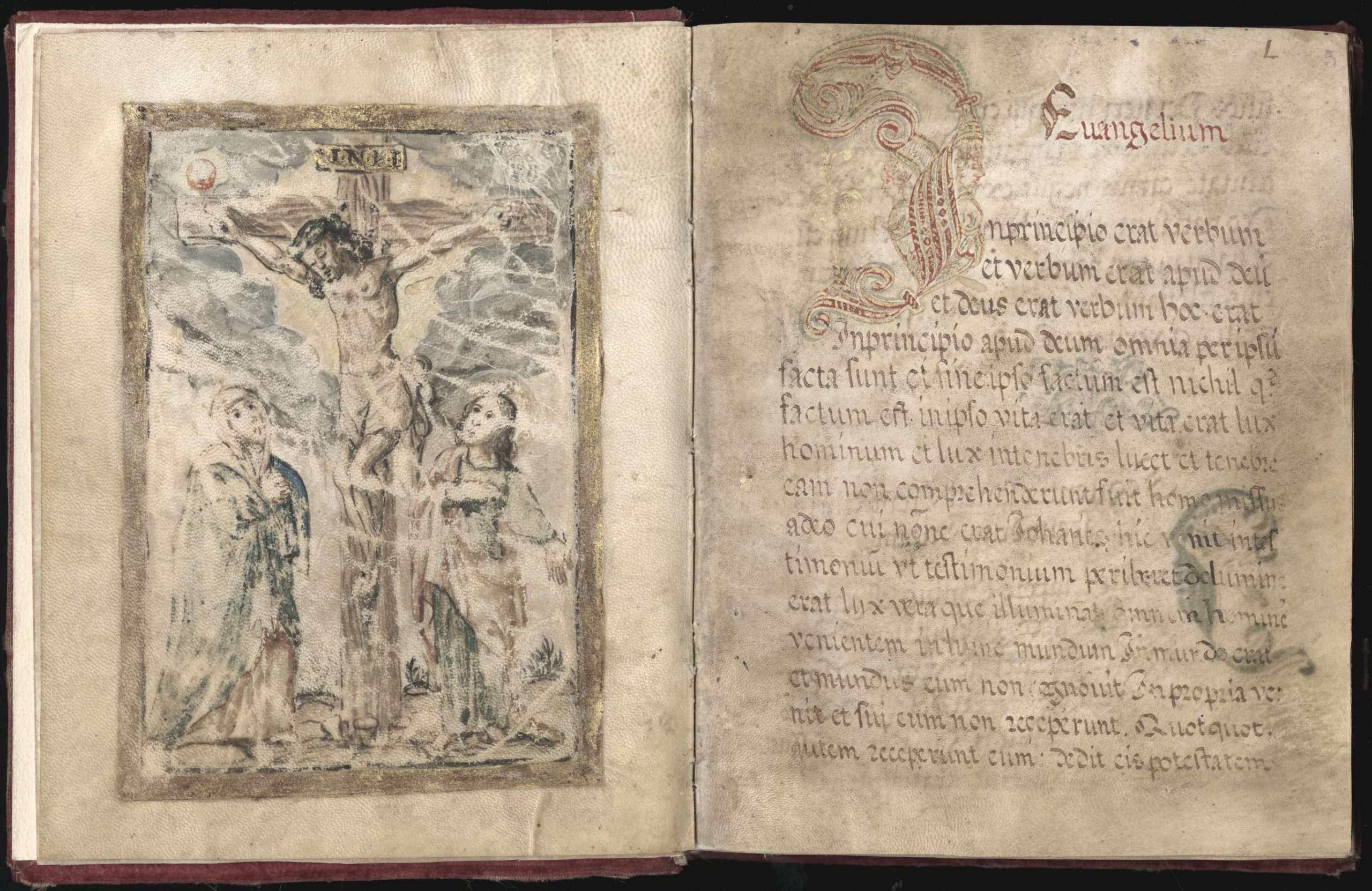
IT-CA0194_Ms.Orrù 0106_007 - Il Fondo Orrù raccoglie documenti e manoscritti donati dall'avvocato Giuseppe Orrù (1852-1917), studioso di storia sarda. Il fondo include numerosi manoscritti di interesse storico, tra cui opere di storia civile e statuti locali.
IT-CA0194_Ms.Orrù 0106_008 - Il Fondo Orrù raccoglie documenti e manoscritti donati dall'avvocato Giuseppe Orrù (1852-1917), studioso di storia sarda. Il fondo include numerosi manoscritti di interesse storico, tra cui opere di storia civile e statuti locali.
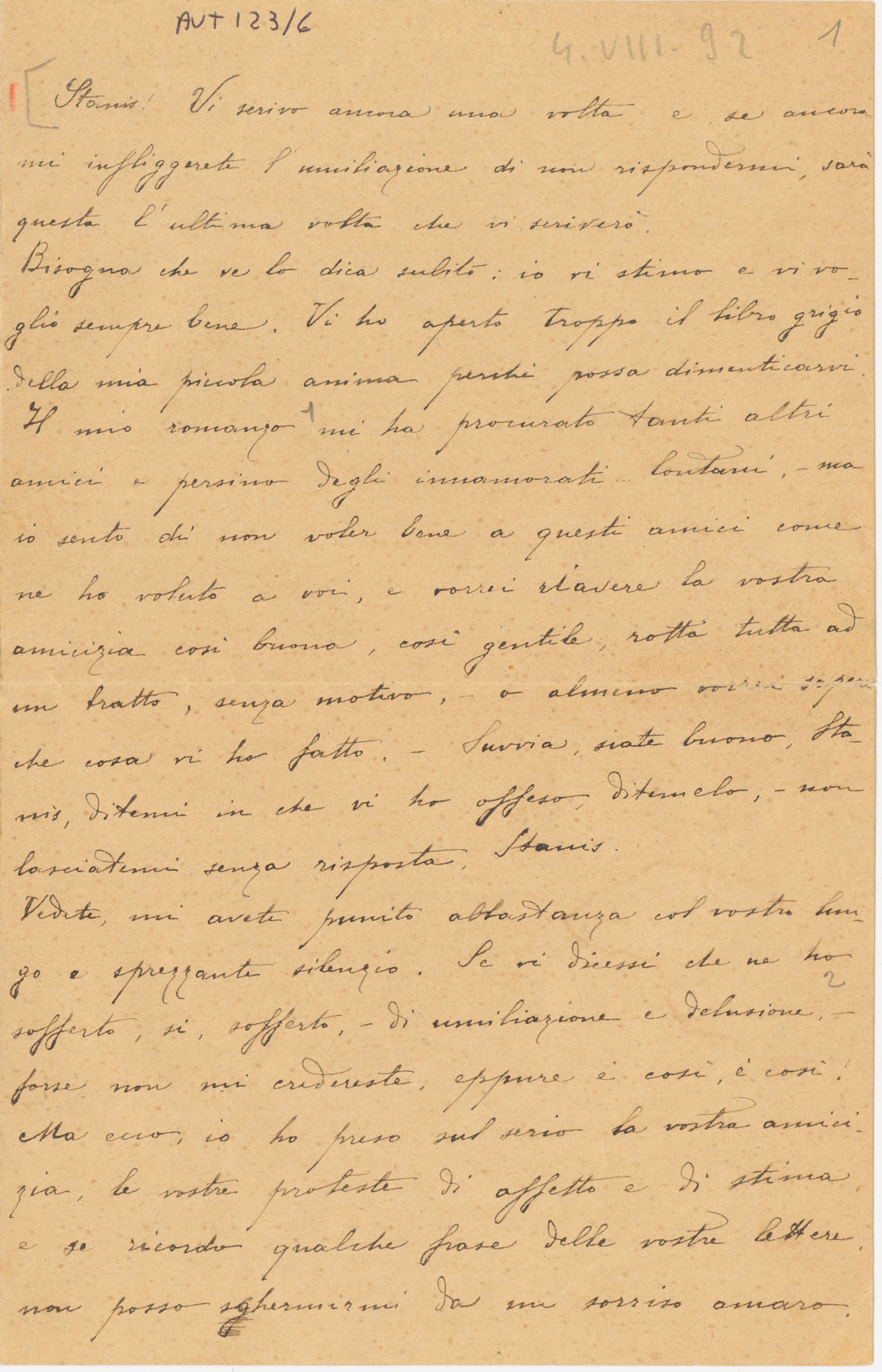
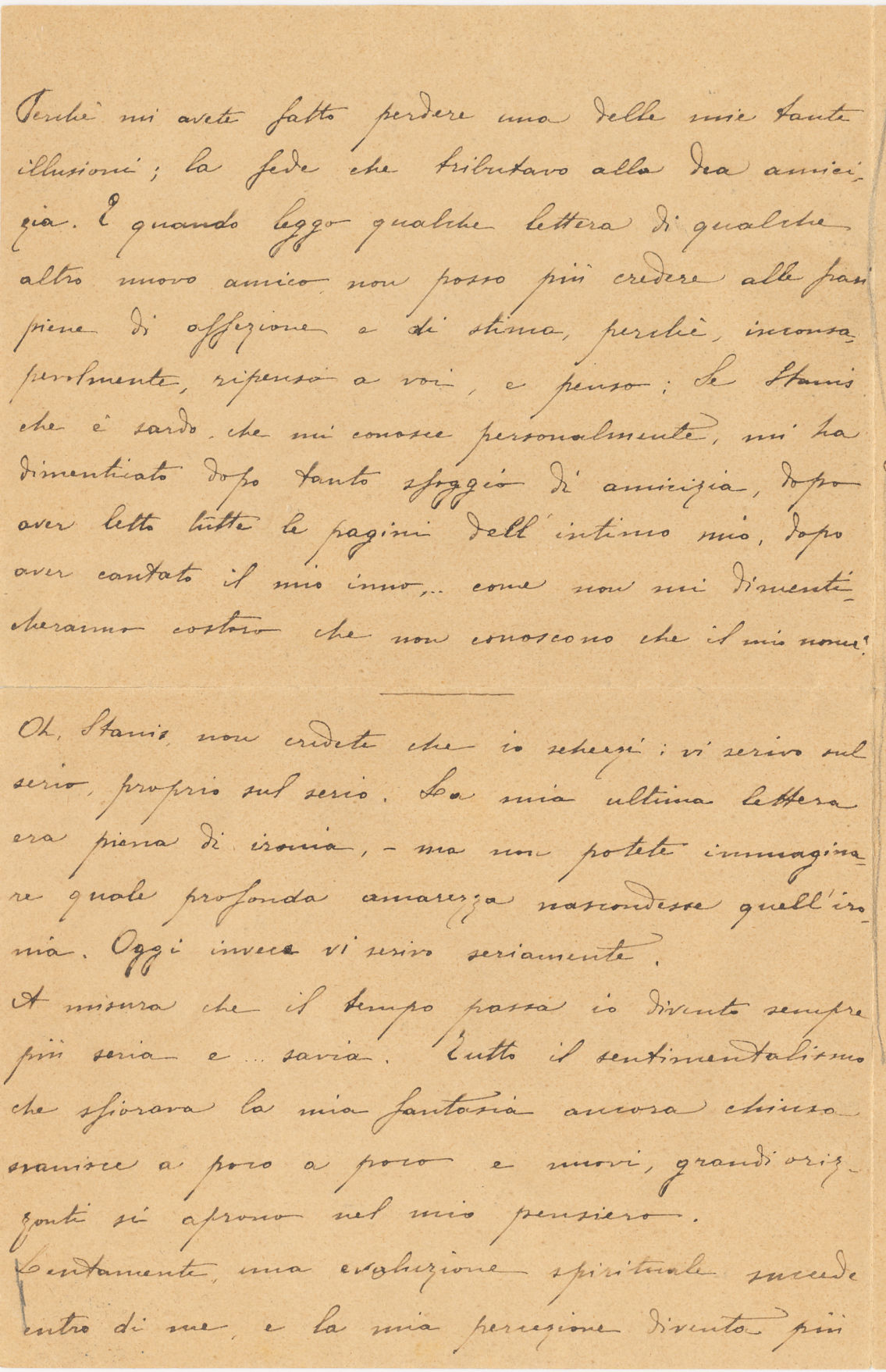
Aut.123^00293367^^Deledda,Grazia_x_Manca,Stanislao.^06_c.1r - Corrispondenza tra il premio Nobel nuorese Grazia Deledda e il giornalista Stanis Manca, alla fine dell'Ottocento. In una raccolta di più di quaranta lettere si legge il sentimento trascinante della giovane, tuttavia mal corrisposto dall'uomo.
Aut.123^00293367^^Deledda,Grazia_x_Manca,Stanislao.^06_c.1v - Corrispondenza tra il premio Nobel nuorese Grazia Deledda e il giornalista Stanis Manca, alla fine dell'Ottocento. In una raccolta di più di quaranta lettere si legge il sentimento trascinante della giovane, tuttavia mal corrisposto dall'uomo.