Incunabula
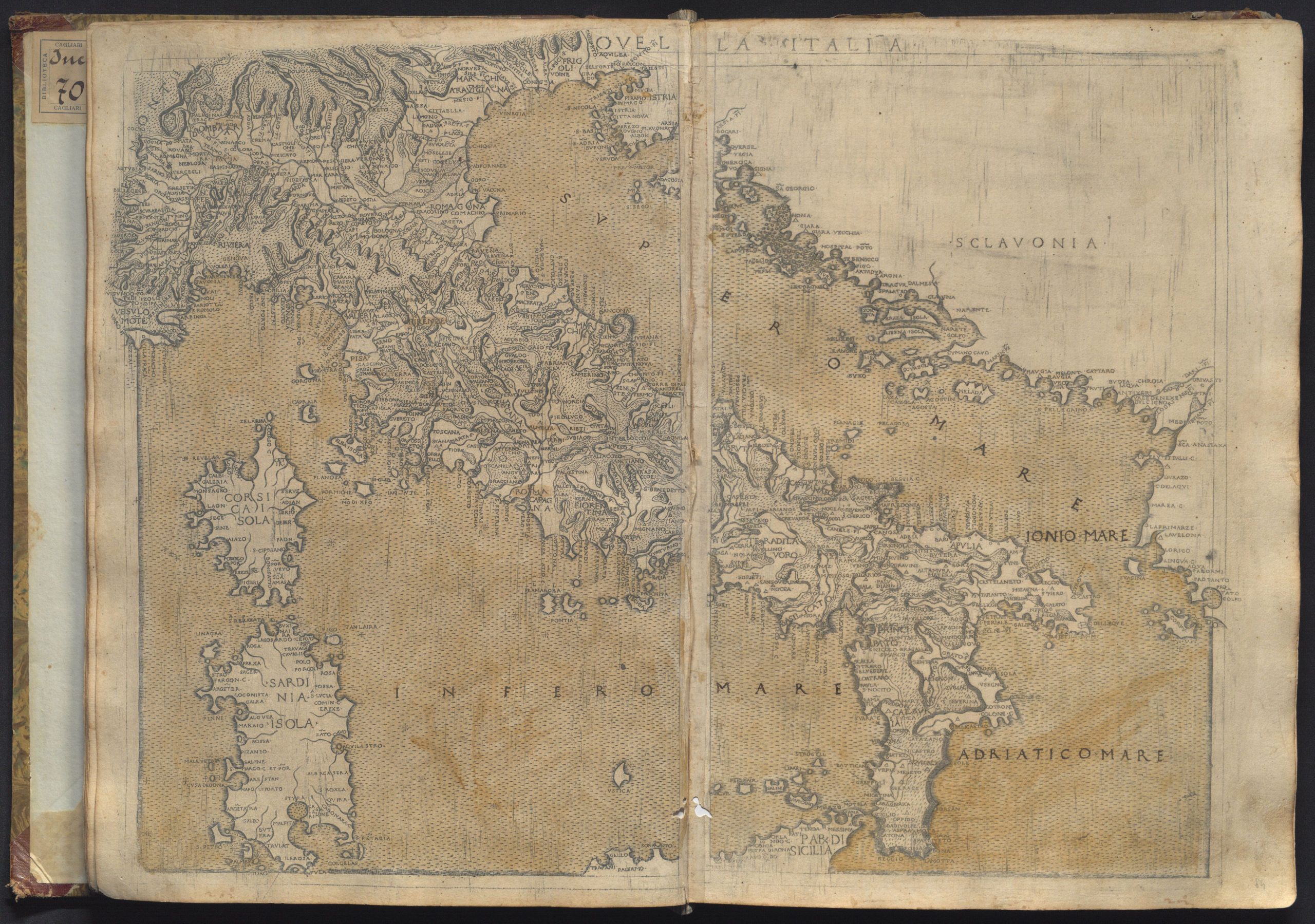
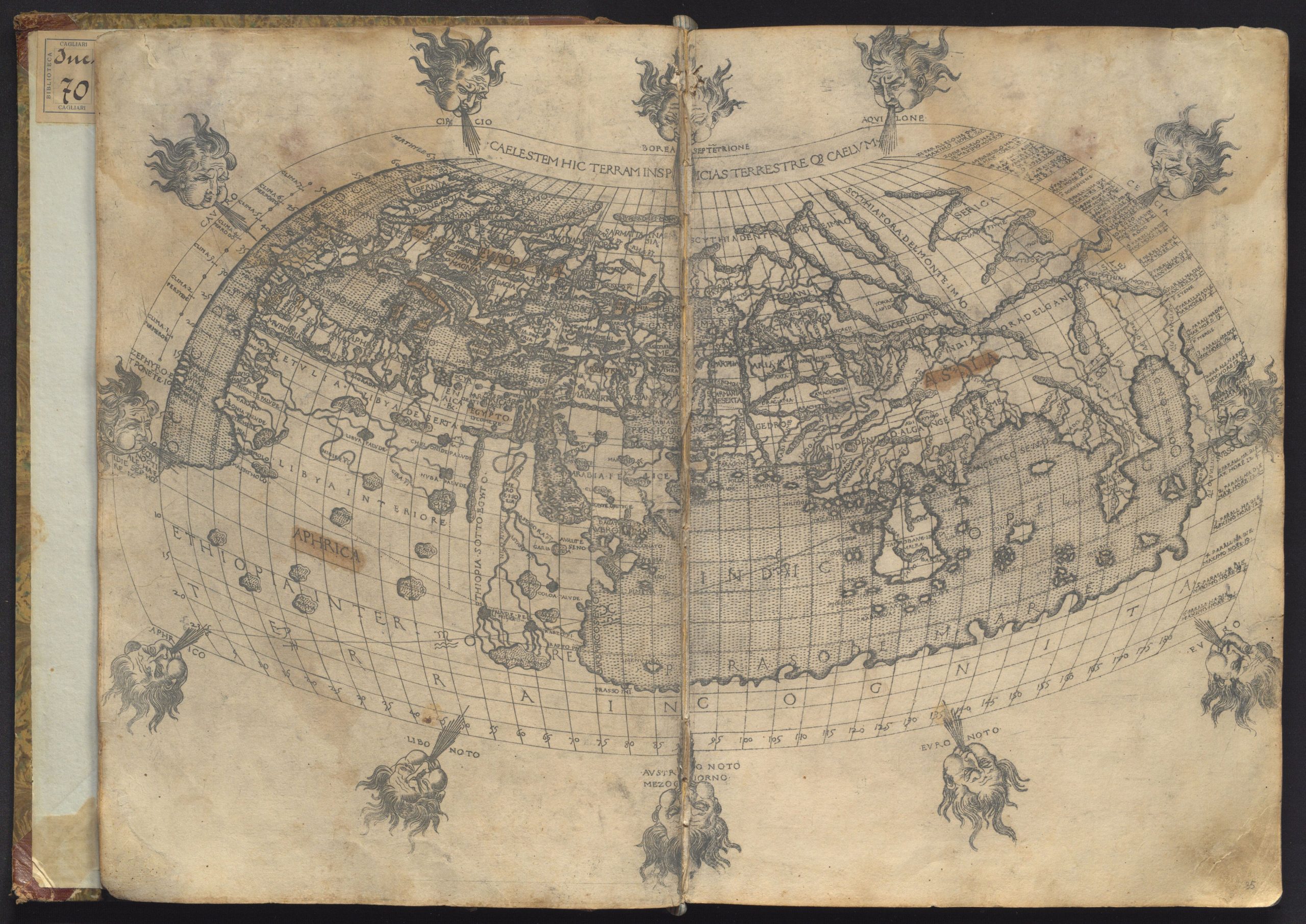
The incunabula collection of the University Library of Cagliari holds the largest number of incunabula cataloged in Sardinia: 226 copies, some of which are of absolute rarity, such as the Fables of Aesop (Inc. 131), translated into Latin by Lorenzo Valla and printed in Valencia by Lope de La Roca in 1495, considered a unique specimen.
Many incunabula come from the private library of the famous Cagliari jurist Monserrat Rosselló (ca. 1560–1613), which was donated in 1613 by testamentary bequest to the Jesuit College of Santa Croce and was incorporated into the University Library of Cagliari in 1779 following the suppression of the Order.
Seventeen incunabula, on the other hand, were purchased in 1936 by the Alghero-based Simon Guillot family. Among these, special mention should be made of the oldest printed edition of the Carta de Logu (Inc. 230). This incunabulum, in Sardinian Arborense, is one of two known copies of the editio princeps (the other is preserved at the Royal Library of Turin). The publication details are uncertain: according to some scholars, including Veneziani, the work may have been printed in Cagliari by a traveling printer, while other attribution hypotheses point to the Iberian region.
The collection is dominated by editions printed in Italy, particularly in Venice, but there are also 24 specimens published in the Spanish area, such as Furs de Valencia (Inc. 71) and Coronica de Aragon (Inc. 68).
The first, printed in Valencia in 1482, is a collection of laws covering various topics, including political, religious, and legal matters in civil and criminal law, and features a beautiful miniature depicting James I of Aragon on his throne with his court. The second, published in Zaragoza in 1499, compiles the work of Guaberto Fabricio de Vagad, a chronicler at the court of Ferdinand the Catholic, and contains the history of the Kingdom of Aragon from its origins to the time of Alfonso the Magnanimous.