History
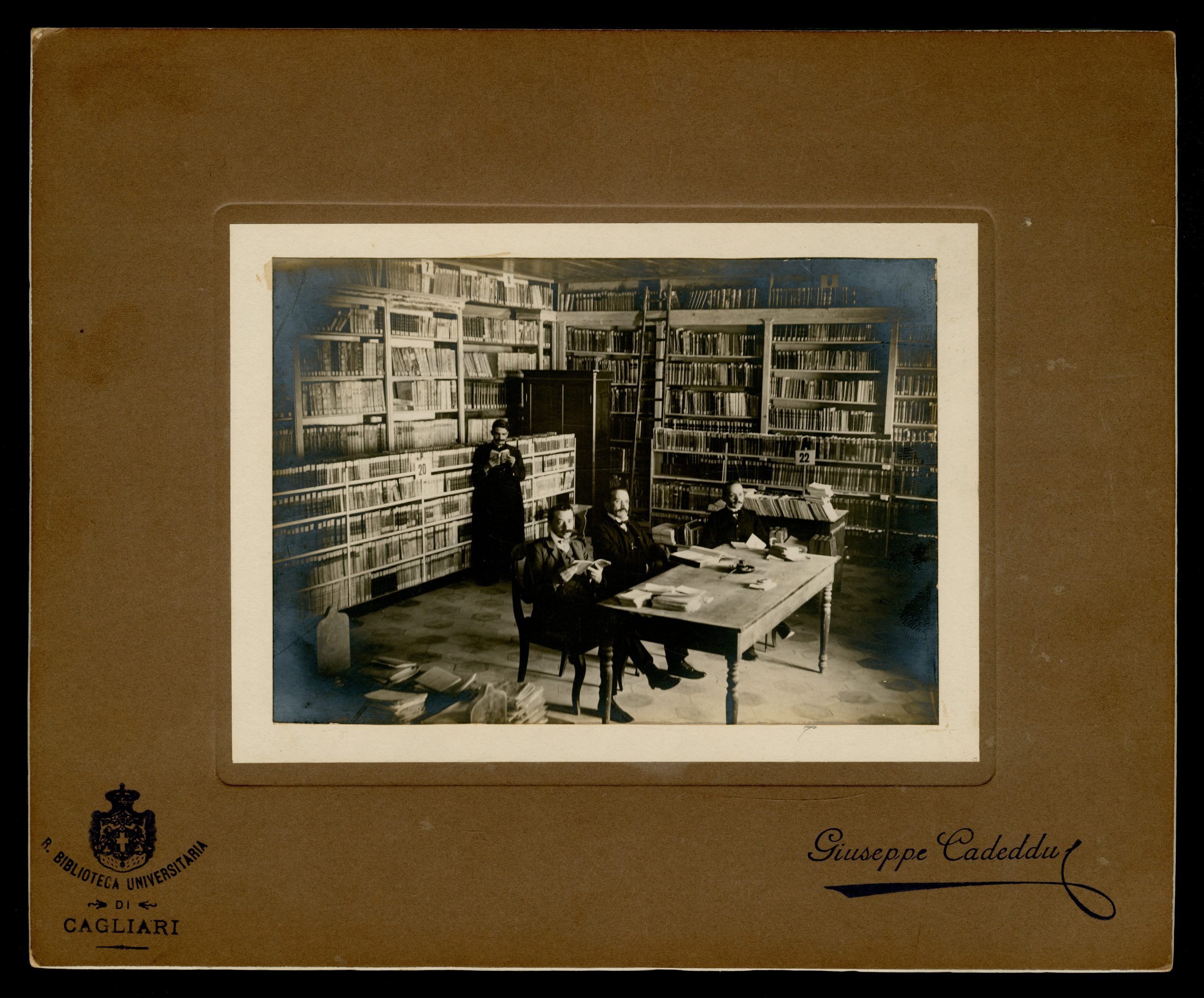
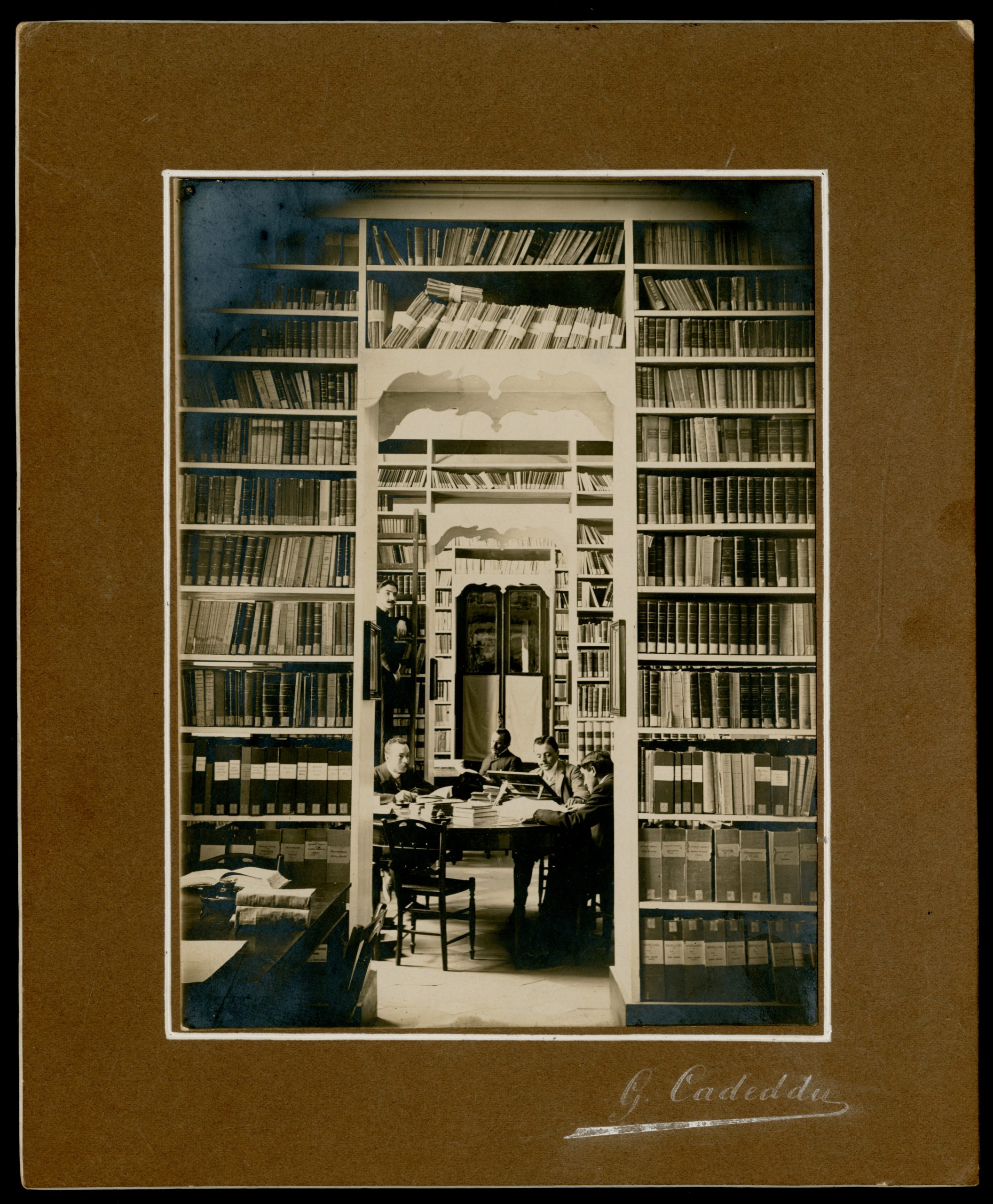
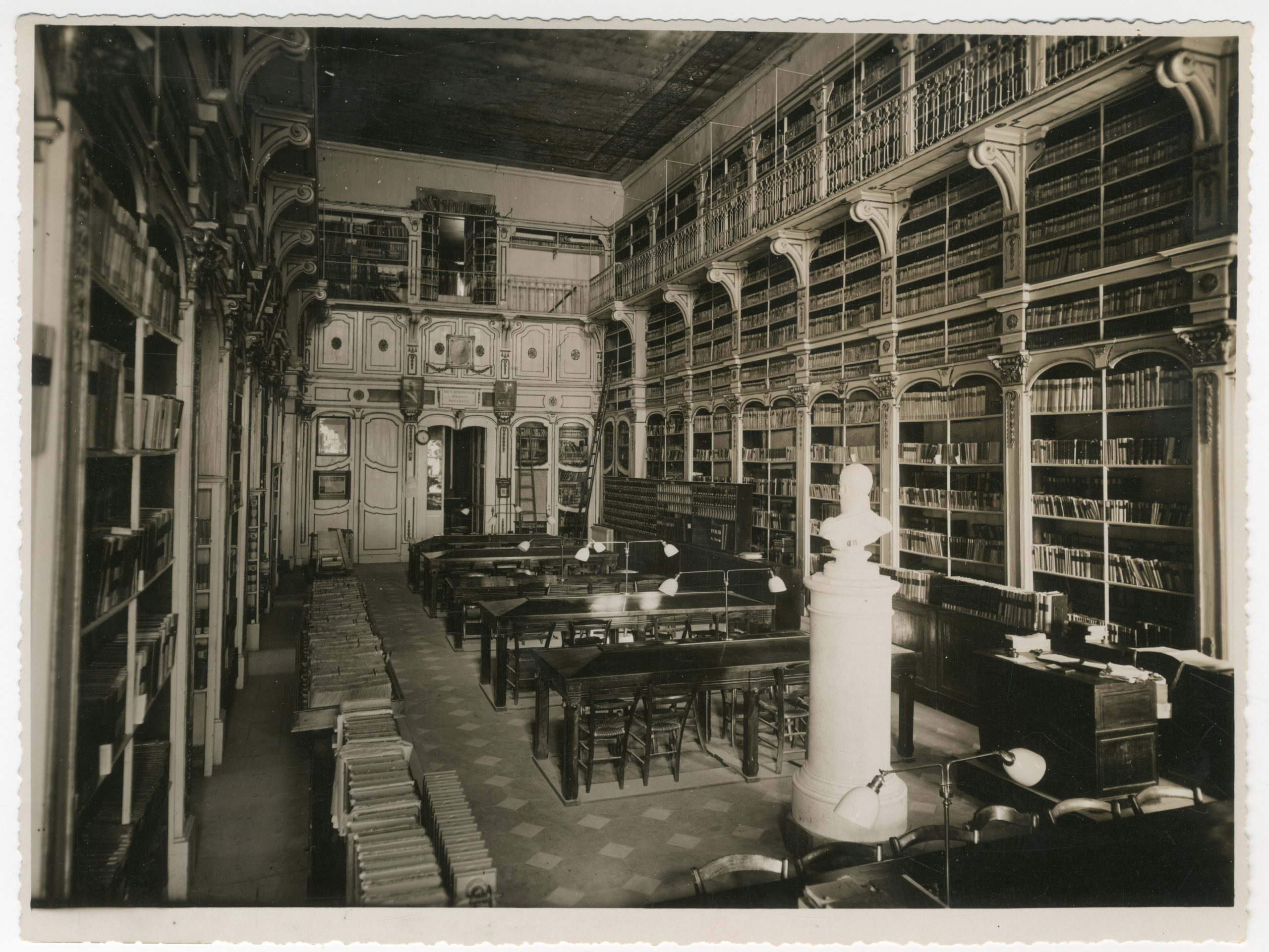
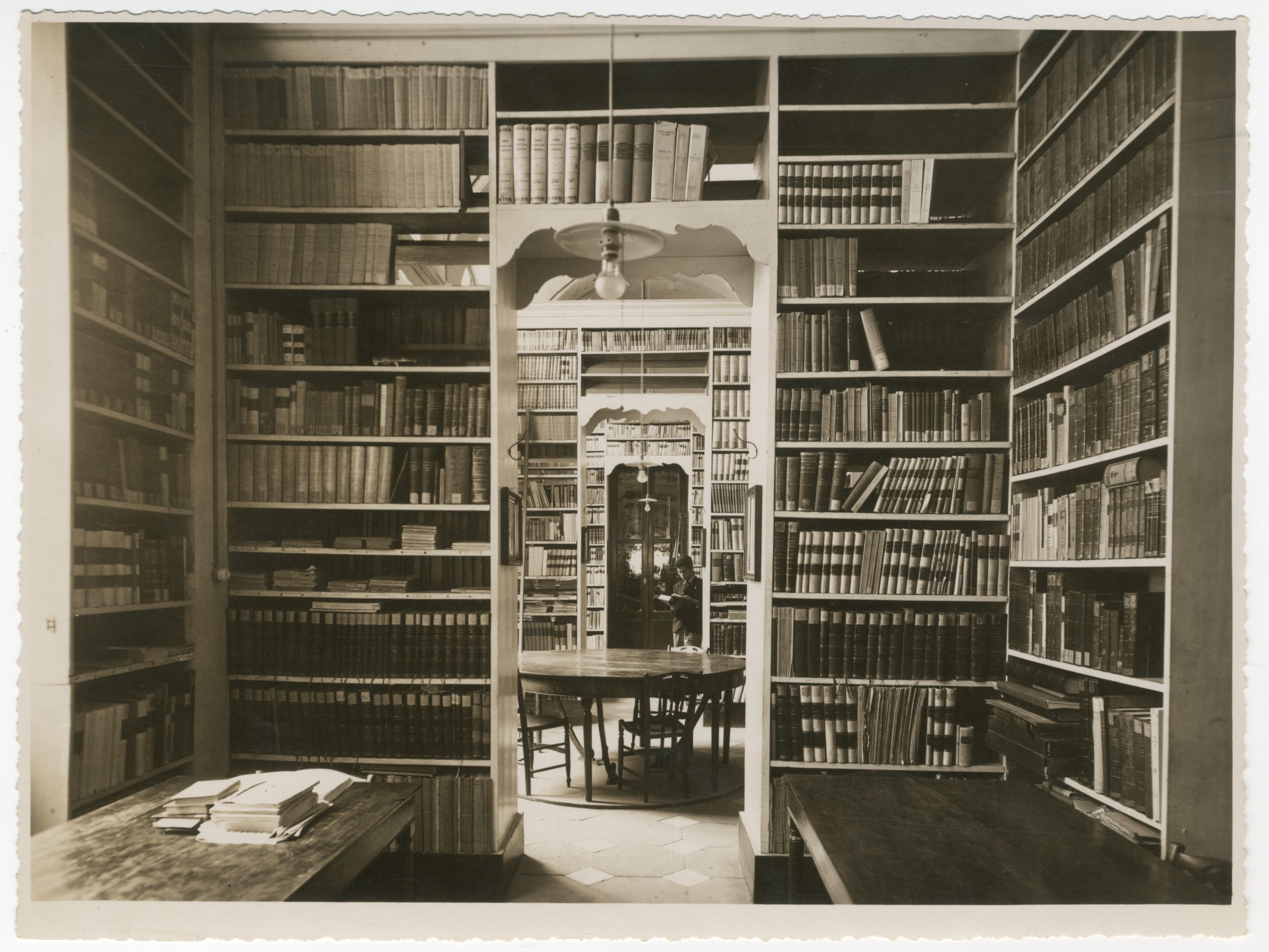
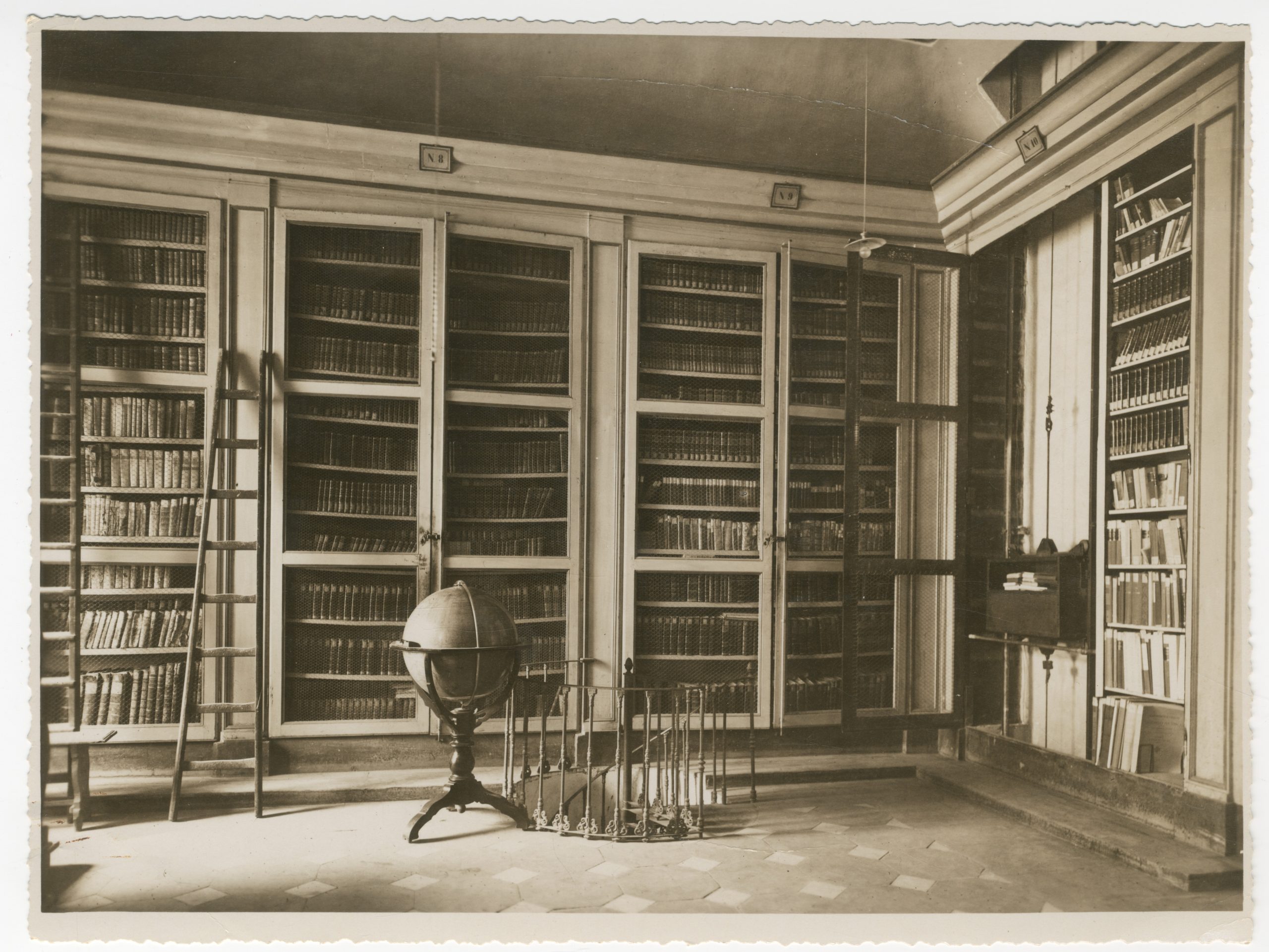
The birth of the University Library of Cagliari is linked to the Constitutions of 1764, which marked the desire of the Savoy government to rebuild the University of Cagliari, which at the time was in a state of severe decline. The new Constitutions provided for the establishment of a public library, open to everyone, which had its first regulation in 1785 under the reign of Vittorio Amedeo III, as noted on the plaque above the entrance to the 18th-century Hall. However, in practice, the library was only opened to the public in 1792 at the University Palace.
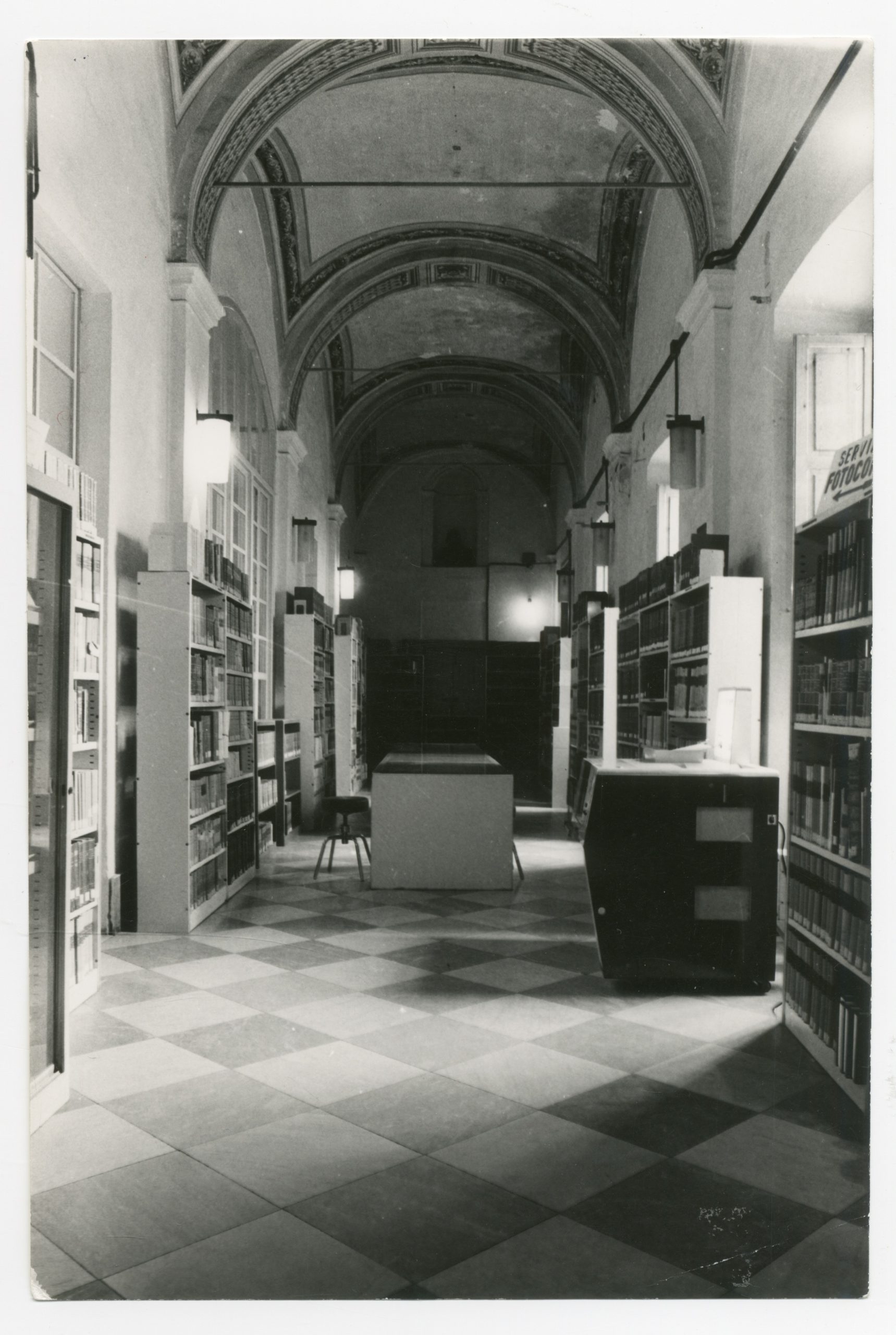
From the initial Hall, now known as the 18th-Century Hall, it expanded into other rooms, first within the same University Palace and then, in the early 1960s, into the adjacent former Seminary Palace, occupying the first floor and the former Chapel on the ground floor. In fact, these are two separate buildings located on Via Università, built close together as a single architectural complex in the second half of the 18th century, characterized by a unique facade and a large internal courtyard with a central well. The designer for both buildings was the Piedmontese engineer Saverio Belgrano of Famolasco.
The formation of the Library was supported by illustrious scholars who succeeded one another in its direction, the first of whom was Professor of Sacred Scripture and Hebrew, Hintz, who provided the first regulation.
The original book collection was formed from the donations of Carlo Emanuele III and the Sardinian Affairs Minister Lorenzo Bogino, copies of works that professors were required to deposit, and publications from printers of the Kingdom and the Royal Printing Houses of Turin and Cagliari.
After the suppression of the Society of Jesus in 1773 and the confiscation of the Jesuit bibliographic heritage, the collection of the jurist from Cagliari of Majorcan origin, Montserrat Rosselló (circa 1560-1613), which included many valuable works, was incorporated into the Library. Thanks to the contribution of ex-conventual funds and numerous bequests, including the Baille Fund in 1843, a valuable collection of works by Sardinian authors and about Sardinia, the Library grew from its original nucleus of around 8,000 volumes to approximately 70,000 by the end of the 19th century.
In 1946, to document the work of Sardinian engravers, the Print Cabinet was established on the initiative of Director Nicola Valle, named after Anna Marongiu Pernis, a Sardinian artist who passed away prematurely in 1941.
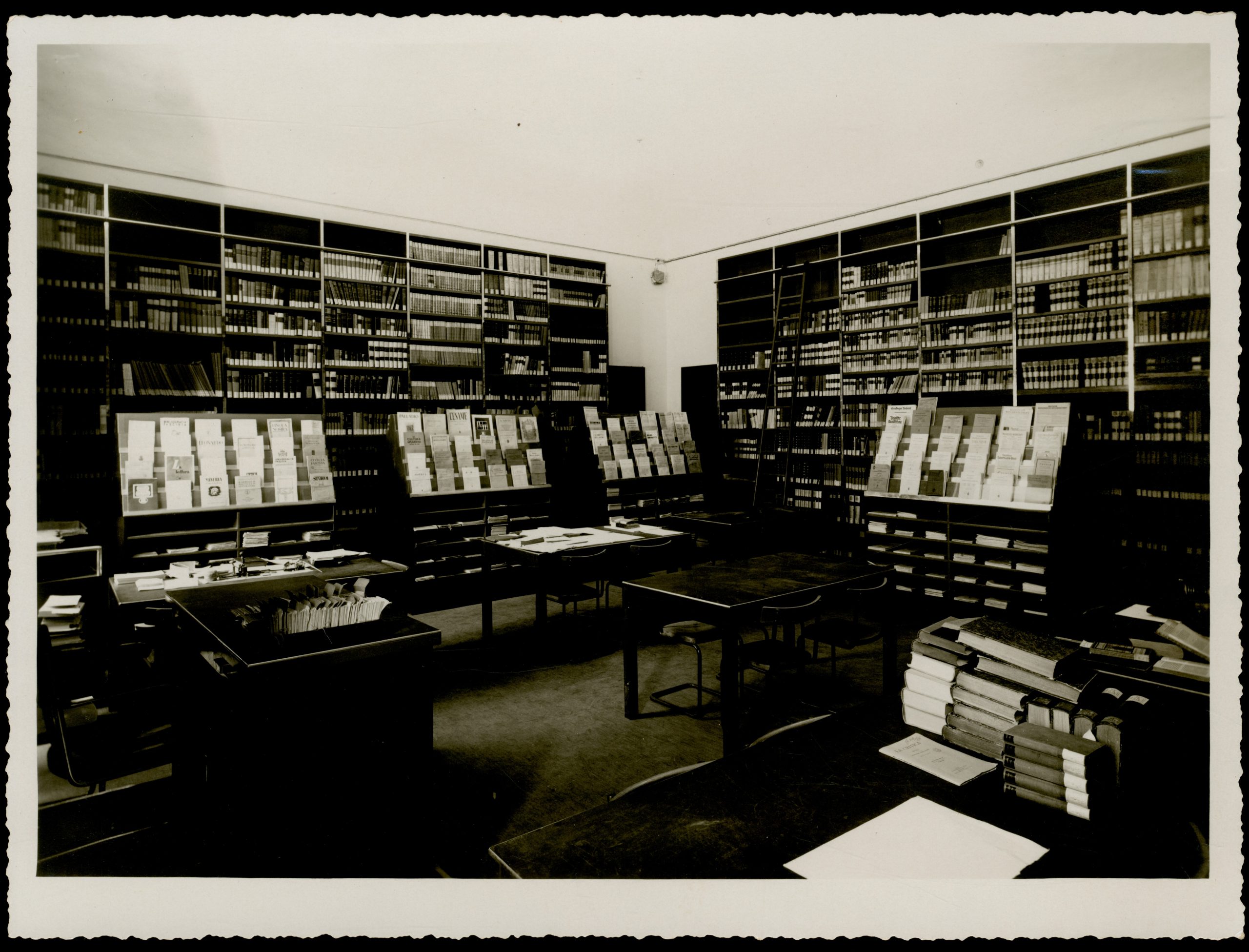
Today, the Library’s holdings include around 700,000 bibliographic units, including more than 7,000 manuscripts, 226 incunabula, 5,318 16th-century editions, and 6,500 prints, maps, and postcards.